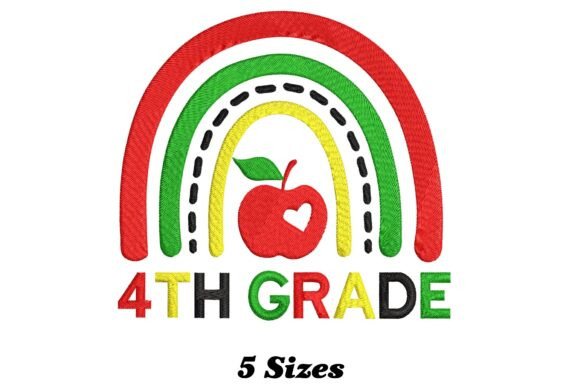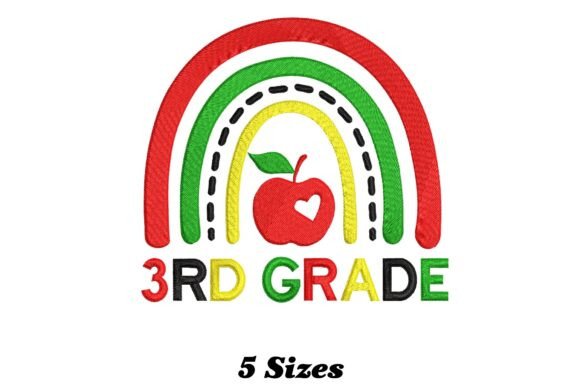
Review: Charming 3rd Grade Rainbow for Craft Fairs
As an embroidery designer who has spent countless weekends behind a booth table, I know that the difference between a browser and a buyer often comes down to visual impact. When I first loaded the Charming 3rd Grade Rainbow into my digitizing software, my immediate reaction was one of relief. In a market saturated with overly complex or generic motifs, this design strikes a delicate balance between playful whimsy and clean execution. It feels undeniably cute, yet it retains a modern simplicity that prevents it from looking cluttered. For those of us running a small shop product line, this distinction is vital. We need designs that speak quickly to customers walking past our displays.
First Impressions and Visual Appeal
The title itself suggests a specific niche, leaning heavily into the School category, but the visual potential extends far beyond the classroom. The design exudes a soft, decorative charm that feels welcoming rather than aggressive. It is not trying to be high-fashion or minimalist; instead, it embraces a fun, festive energy. This is crucial for craft fair products because impulse buys are often driven by emotion. When a customer sees a bright, cheerful rainbow, it triggers a positive response. The machine embroidery design appears to prioritize bold shapes over intricate shading, which is a smart move for readability at a distance. Whether you are aiming for a rustic farmhouse vibe or a colorful modern aesthetic, this motif adapts well because it relies on universal symbolism rather than trendy fonts that might date quickly.
Strategic Product Placement for Maximum Sales
Choosing the right substrate is half the battle in commercial embroidery. Based on the description, this design is versatile, but some applications will yield higher profit margins than others. Here is how I would deploy this embroidery file across a typical inventory:
- Tote Bags and Market Bags: This is arguably the strongest candidate. A canvas tote provides a large, flat surface that allows the rainbow to breathe. As a tote bag design, it appeals to teachers, parents, and students alike. The contrast of colorful threads against natural cotton canvas creates a premium, handmade look that justifies a higher price point.
- Tea Towels and Kitchen Linens: The description explicitly mentions towels, and for good reason. Tea towel embroidery is a staple of boutique markets. However, you must be cautious with fabric texture. If the towel is too plush, the details may get lost. I recommend using a waffle weave or a smoother linen blend to ensure the stitch definition remains crisp.
- Aprons: An apron embroidery project using this motif makes for an excellent gift item. Placing the rainbow on the bib or the lower corner adds a touch of personality without overwhelming the garment. It transforms a utility item into a handmade product that feels special.
- Embroidered Patches: If you have the capability to create backing, turning this into an embroidered patch allows for incredible versatility. Customers can iron it onto denim jackets, backpacks, or hats. This expands your target audience to include teens and young adults who might not buy a towel but will buy a cool accessory.
Production Practicalities and Stitch Density
From a production standpoint, efficiency is key. When preparing for a busy fair season, I look for designs that are repeatable and forgiving. The Charming 3rd Grade Rainbow seems to favor solid fills and satin stitches, which generally run faster than complex photo-realistic shading. However, you must pay attention to stitch density. If the design is too dense, it can cause puckering, especially on lighter fabrics like t-shirts or thin cotton. Conversely, if it is too sparse, the fabric underneath might show through, ruining the vibrancy of the thread colors.
I strongly advise testing the design on scrap fabric before committing to your final inventory. Check how the design behaves on different materials. Does it pull the fabric? Does it require a cut-away stabilizer, or will a tear-away suffice? For items like caps, which have curved surfaces, you need to ensure the design does not distort. While the description mentions it is perfect for various items, curved surfaces like caps require careful hooping and potentially a different underlay strategy to maintain clarity.
Navigating Technical Challenges
There are specific "careful-use" notes every Etsy seller and booth owner should consider. First, consider the size. If you shrink this design too much for a small pocket or a tiny pouch, the individual stitch lines may merge, losing the definition of the rainbow arcs. Always confirm the minimum recommended hoop size provided with the digital embroidery file. If that information is not explicitly stated in the brief, you must check the technical specs before purchasing or producing.
Second, think about contrast. On dark fabrics, standard rainbow colors might not pop unless you use a white underlay or choose brighter, neon-style threads. On textured towels, ensure your needle is sharp enough to penetrate without causing runs. These small technical details separate amateur efforts from professional finished products. Creating at least one real mockup on your intended fabric is non-negotiable. Photograph this mockup for your online listings. A high-quality printable mockup can help visualize the product, but nothing sells better than a photo of the actual thread texture and sheen.
Boosting Brand Consistency and Buyer Engagement
Incorporating Charming 3rd Grade Rainbow into your lineup can strengthen your brand identity if you position it correctly. It signals that your shop offers friendly, approachable, and high-quality goods. For design assets and digital sellers, this type of motif is evergreen. It fits into the broader Embroidery niche that focuses on joy and nostalgia. When customers see a cohesive display of tote bags, towels, and patches featuring this consistent visual theme, it creates a stronger booth presence. It invites engagement. People stop to look at bright colors. They pick up the items to feel the stitching. That tactile interaction is where the sale happens.
Finally, always verify your licensing. Before selling any commercial embroidery items, confirm that the license included with the file permits finished product sales. Most designers do, but it is your responsibility to check. Assuming permission without verification can lead to serious legal issues down the line. Treat your small shop product line with the same professionalism as a large manufacturer. By respecting the craft, understanding the technical limitations, and choosing the right products for the design, you turn a simple digital file into a revenue-generating asset. The Charming 3rd Grade Rainbow is not just a pattern; it is a tool for connection, bringing a bit of charm to your fabrics and, hopefully, a steady stream of happy customers to your booth.