Reviewing Roundhand Font for Embroidery Projects
As an embroidery designer who spends countless hours digitizing and testing fonts, I am always on the lookout for typefaces that balance aesthetic appeal with technical stitchability. Recently, I explored Roundhand Font on Creative Fabrica, specifically evaluating its potential for real-world commercial projects. For those of us in the handmade community, finding a font that looks elegant on screen but also performs reliably under the needle is a constant challenge. This review breaks down my experience with this design, focusing on its practical application for school-themed items, personalized gifts, and boutique merchandise.
First Impressions and Visual Mood
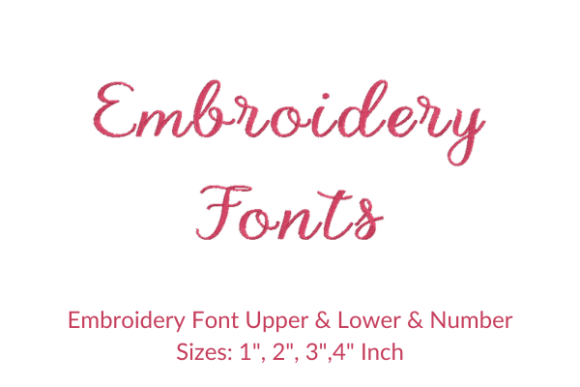
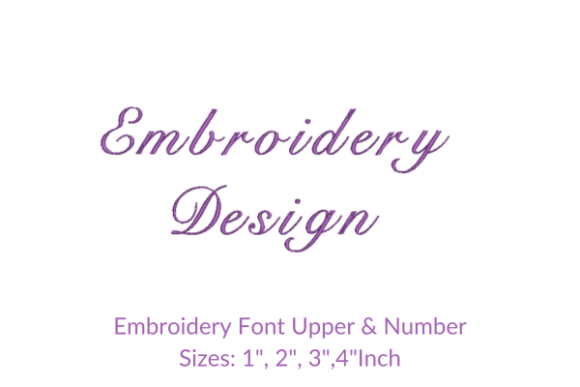
The first thing that strikes you about Roundhand Font is its classic, approachable elegance. It mimics the flow of traditional handwriting without the excessive flourishes that often cause stitching issues. The visual mood is warm and inviting, making it an excellent candidate for projects that require a personal touch. Unlike rigid block letters, this font carries a sense of movement, which adds a decorative appeal to any fabric surface.
From a design perspective, the letterforms appear well-proportioned. When I loaded the preview files, I noticed that the connections between letters are smooth, suggesting that the digitizer has paid attention to thread path efficiency. This is crucial for maintaining the integrity of the script when stitched out. For embroidery designers, this means less time spent editing jump stitches or trimming loose threads during production.
Performance in Real Embroidery Work
To truly understand the value of a machine embroidery design, you must imagine it on actual products. I considered how Roundhand Font would perform across various categories, particularly within the School niche and general Embroidery markets.
- Custom Apparel: This font shines on sweatshirts and tote bags. The legibility remains high even at moderate sizes, making it perfect for adding names or short quotes to custom apparel.
- Baby Items and Nursery Decor: The soft curves of the font make it ideal for baby blankets and pillow covers. It adds a gentle, handmade feel that parents appreciate in personalized gifts.
- Kitchen and Home Goods: Imagine this stitched onto aprons or kitchen towels. The clarity of the letters ensures that monograms or family names stand out against textured fabrics like linen or cotton twill.
- Etsy and Craft Fair Products: For sellers, consistency is key. Using a reliable font like this helps maintain brand consistency across different product lines, from embroidered patches to seasonal handmade gifts.
When creating a printable mockup for your online store, this font translates beautifully into digital presentations. It allows potential buyers to visualize the finished product clearly, which can significantly boost customer engagement and trust.
Practical Considerations for Stitching
While the aesthetic is strong, practical execution requires careful planning. Here are several factors I consider when using a script font like Roundhand Font in a commercial setting.
Fabric and Stabilizer Selection
The choice of fabric plays a massive role in the outcome. For stretchy fabrics, such as those used in t-shirts or caps, using the correct stabilizer is non-negotiable. A cut-away stabilizer is often recommended to prevent distortion, especially since script fonts can pull slightly during stitching. On textured fabrics like towels, you may need a topping to ensure the stitches sit on top of the pile rather than sinking in.
Hoop Size and Letter Scaling
One common mistake with script fonts is scaling them down too small. While Roundhand Font is high-quality, tiny lettering can lose its definition. Always confirm the minimum hoop size recommended in the product details. If you are working on a small item like a cap or a patch, test the font at your intended size on scrap fabric first. Check if the satin stitch columns remain distinct or if they merge into a blob. If the details become muddy, increase the size or simplify the design.
Thread Colors and Contrast
Thread selection can make or break the readability of a script font. High-contrast thread colors work best for ensuring the text pops. For example, a dark navy thread on a white tote bag creates a crisp, professional look. However, if you are stitching on dark fabric, consider using lighter threads or adjusting the density if the design allows. Always review how the fill stitch or satin columns interact with your chosen thread weight.
Enhancing Product Value and Brand Trust
Using a polished font like Roundhand Font directly impacts the perceived value of your handmade product. Customers associate clean, professional embroidery with higher quality. When your custom apparel or home decor features well-executed typography, it builds buyer trust. This is particularly important for commercial embroidery where repeat business relies on satisfaction.
Moreover, the versatility of this font allows for creative experimentation. You can combine it with simple applique design elements or use it as a standalone statement piece. For Etsy sellers and digital product sellers, having a reliable font in your arsenal means you can quickly customize orders without worrying about technical failures. This efficiency translates to better customer service and faster turnaround times.
Technical Notes and Best Practices
Before committing to a large production run, follow these steps to ensure success with your digital embroidery file:
- Test on Scrap Fabric: Always stitch a sample on the same material you intend to use for the final product. This helps you identify any tension issues or registration errors.
- Check Stitch Density: Review the design settings in your embroidery software. If the density is too high for lightweight fabrics, it may cause puckering. Adjust if necessary.
- Verify File Details: Since specific technical data like exact stitch count or available formats was not fully detailed in the brief description, I strongly advise checking the Creative Fabrica embroidery product page directly. Confirm that the file formats match your machine’s compatibility.
- Licensing Confirmation: Ensure you understand the licensing terms for commercial use. Most Creative Fabrica products offer generous licenses, but it is essential to read the specific terms for Roundhand Font before selling finished items.
- Inspect Small Details: After stitching, inspect the entry and exit points of the thread. Clean up any jumps carefully to maintain a professional finish.
Final Thoughts on Roundhand Font
In conclusion, Roundhand Font is a solid addition to any embroidery designer’s library. Its balance of elegance and readability makes it suitable for a wide range of applications, from school projects to high-end boutique merchandise. While it requires standard precautions regarding stabilizer use and sizing, its performance potential is high. For those looking to elevate their personalized gift offerings or streamline their design assets, this font offers a reliable and attractive solution. By taking the time to test and refine your setup, you can leverage this tool to create stunning, marketable embroidery pieces that resonate with customers.