Reviewing the 5th Grade Teacher Embroidery Design
As a designer who spends more time staring at stitch maps than actual fabric, I have learned that not every machine embroidery design is created equal. Some look fantastic on a screen but turn into a tangled mess of thread breaks and puckering once they hit the hoop. Others are workhorses—reliable, clean, and versatile. When I pulled up the 5th Grade Teacher file, my immediate goal was to determine if this asset belonged in the latter category. Could it hold its own in a professional embroidery project, or was it merely a novelty item for quick, low-effort crafts?
First Impressions: Whimsy Meets Structure
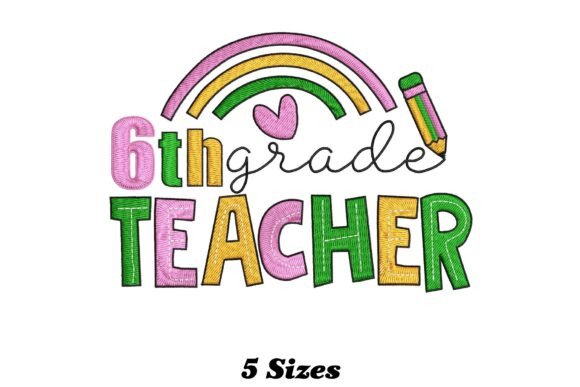
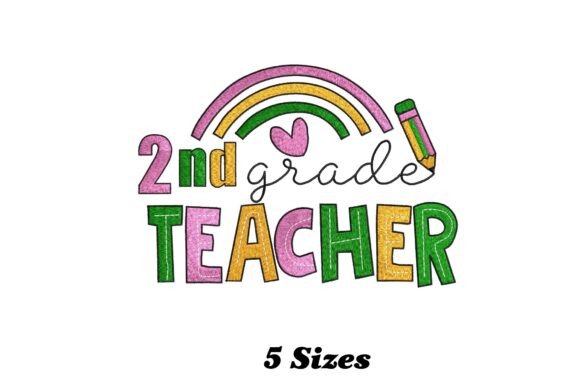
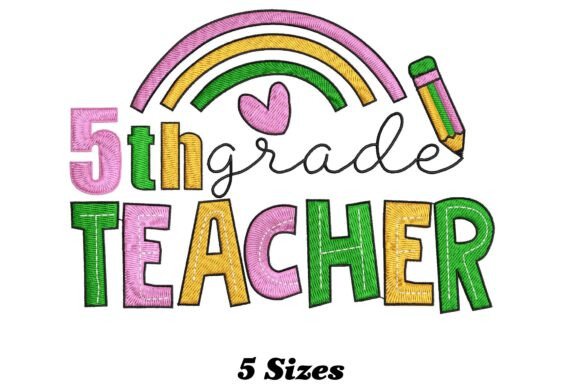
The first thing that strikes you about the 5th Grade Teacher design is its mood. It manages to balance playfulness with a sense of organized charm, which is exactly what you want when targeting educators. The layout feels open and breathable, avoiding the cluttered look that plagues so many school-themed graphics. From a technical standpoint, the visual personality suggests a mix of satin stitch borders and lighter fill stitch areas, though without seeing the specific embroidery file metadata, one must assume a moderate approach to density.
This balance is crucial. A design intended for teachers needs to look professional enough for a staff lounge yet fun enough for a classroom setting. The whimsical touch mentioned in the description translates well into a aesthetic that feels welcoming rather than childish. For an Etsy seller or a small shop product creator, this versatility is gold. It means the same design can appeal to a kindergarten aide and a middle-school science teacher, broadening your potential customer base significantly.
Real-World Application: The Tote Bag Test
To truly evaluate a design, you have to imagine it on a physical object. I envisioned this piece stitched onto a heavy canvas tote bag—a staple item for teachers carrying graded papers and lesson plans. In this scenario, the 5th Grade Teacher motif sits comfortably on the front panel. The scale appears appropriate for a standard hoop, likely fitting within a 5x7 or 6x10 area, which is ideal for tote bags and aprons.
If you are creating a personalized gift, such as a end-of-year appreciation present, this design pairs beautifully with simple monograms. Imagine stitching the main graphic in the center and adding the teacher’s name below in a complementary script. This transforms a generic handmade product into a bespoke keepsake. The design’s clarity ensures that even from a distance, the message is legible, which is vital for items like sweatshirt embroidery where the wearer wants their profession recognized instantly.
Versatility Across Product Lines
Beyond totes, this design shows promise in several other categories. For custom apparel, it works well on polo shirts or cardigans, provided you adjust the stitch density for knit fabrics. On home decor items like pillow covers or kitchen towels, the whimsical nature adds a layer of warmth. However, context matters. While it fits perfectly in the School category, its application in holiday embroidery might require seasonal color changes—think red and green threads for Christmas or pastels for spring—to keep the product relevant year-round.
For those running a craft business, consider using this as part of a bundle. Pair it with similar grade-level designs to create a comprehensive collection for school staff gifts. This strategy increases the perceived value of your design assets and encourages bulk purchases from school administrators or parent-teacher associations.
Technical Considerations and Fabric Choices
While the aesthetic is strong, the execution requires careful planning. One of the most common pitfalls with themed designs is ignoring fabric texture. If you plan to stitch this on a textured towel or a thick fleece sweatshirt, you must use a robust stabilizer. A cut-away stabilizer is generally recommended for garments that will undergo frequent washing, ensuring the design remains flat and does not distort over time.
Dark fabrics present another challenge. If you are stitching on a navy blue teacher’s hoodie, you need to ensure your thread colors have enough contrast. Lighter shades will pop, but if the design relies on subtle gradients, they may get lost. I always advise running a test stitch-out on scrap fabric of the same type before committing to the final finished product. This allows you to check for any potential thread breaks in tight corners or dense areas.
Additionally, consider the hoop size. If the design is large, it may not fit on curved surfaces like caps without significant distortion. For embroidered patch creation, however, it could be ideal. Patches allow for heavier stabilizers and denser stitching, making them durable options for uniforms or bags. Just ensure you verify the exact dimensions of the digital embroidery file before purchasing or downloading, as hoop compatibility varies by machine.
Enhancing Brand Value and Customer Trust
From a business perspective, the quality of your embroidery directly impacts customer trust. A clean, well-digitized design like 5th Grade Teacher signals professionalism. When customers receive a printed mockup or a physical item that looks crisp and intentional, they are more likely to leave positive reviews and return for future purchases. Sloppy stitching, on the other hand, can damage your brand’s reputation quickly.
To maximize visual appeal, pay attention to thread selection. High-quality rayon or polyester threads can enhance the sheen of satin stitches, making the design look premium. For a more rustic, handmade feel, cotton threads might be appropriate, especially on natural fiber tote bags. The key is consistency. Your commercial embroidery output should look uniform across different products, reinforcing your brand identity.
Practical Designer Notes
- Test Before You Sell: Always stitch out a sample on your intended fabric. What looks good on polyester might pucker on cotton.
- Check Licensing: Before using this in commercial embroidery projects, confirm the license terms. Some designers allow unlimited sales, while others have restrictions.
- Contrast is Key: Use a black-and-white mockup to check if the design holds its shape without color. If it disappears, it may lack definition.
- Stabilizer Matters: Do not skimp on stabilizer. It is the foundation of a professional-looking embroidery project.
- Hooping Technique: Ensure the fabric is drum-tight in the hoop to prevent shifting, which can cause misalignment in detailed areas.
Final Verdict
The 5th Grade Teacher design is a solid addition to any designer’s library, particularly for those focusing on educational or appreciation gifts. Its playful yet structured aesthetic makes it suitable for a wide range of applications, from baby embroidery on onesies for teacher’s children to sophisticated tote bag design for daily use. By paying attention to technical details like stabilizer choice and thread contrast, you can elevate this simple motif into a high-value product.
For small business owners and makers, this design offers a reliable template for creating meaningful, personalized items. It bridges the gap between fun and function, making it a versatile tool in your creative arsenal. Just remember to respect the technical requirements of machine embroidery, and you will find that this design performs as well in real life as it promises in its description.