Reviewing Teachers Have Class for Craft Fairs
As an embroidery designer who has spent countless weekends behind a booth table, I know that not every design translates equally well from the screen to the sales floor. When I first loaded the Teachers Have Class machine embroidery design into my software, my immediate goal was to determine its viability for the upcoming school season market. This is not just about aesthetics; it is about practicality, speed of production, and shelf appeal. For craft fair sellers, Etsy sellers, and boutique makers, understanding how a specific motif performs on various substrates is the difference between a bestseller and dead stock.
First Impressions: Tone and Market Fit
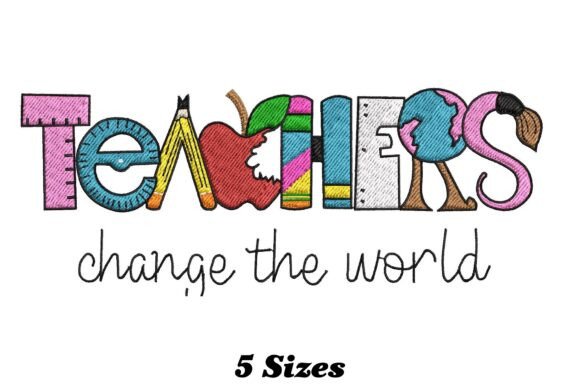
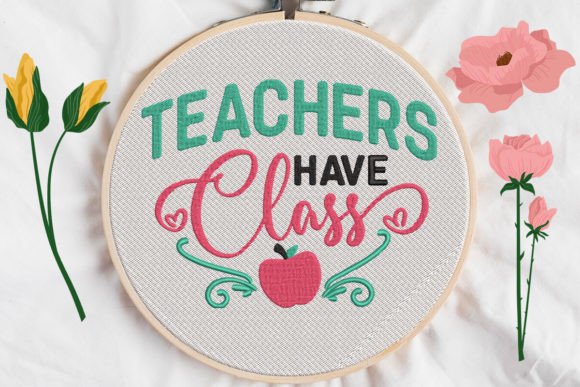
The title Teachers Have Class suggests a clever double entendre that appeals directly to educators who take pride in their profession while appreciating a touch of wit. In the context of School-themed Embroidery, this design strikes a balance between professional respect and playful charm. It does not feel overly childish, which is crucial because your primary customer is likely an adult teacher or a parent buying a gift for a mentor. The vibe leans towards modern farmhouse meets classic academic. It feels sturdy enough for daily use items yet decorative enough for wall art or home decor.
For a handmade product line, this tone is versatile. It avoids being too niche or seasonal, allowing it to sell from back-to-school periods through Teacher Appreciation Week in May. When evaluating design assets for a small shop product lineup, longevity is key. A design that feels fresh and relevant across multiple months provides a better return on investment for your time and materials.
Product Application and Visual Appeal
To truly judge the potential of this embroidery file, I mentally placed it on several standard craft fair products. Here is how Teachers Have Class performs across different categories:
- Tote Bag Design: This is arguably the strongest application. A canvas tote with this design centered offers high visibility. Teachers carry books, papers, and laptops, making a durable tote a functional necessity. The design acts as a badge of honor, turning a utility item into a statement piece.
- Apron Embroidery: For science, art, or home economics teachers, an embroidered apron is a premium gift item. The design holds up well here, provided it is scaled correctly to avoid distortion on the curved bib area.
- Tea Towel Embroidery: Kitchen towels are impulse buys at fairs. However, terry cloth presents challenges. If the design has fine details, they may get lost in the fabric texture. This design works best on flat-weave linen or cotton tea towels where the stitches can lay flat and crisp.
- Embroidered Patch: Creating iron-on or velcro-backed patches allows customers to customize their own jackets or bags. This extends the life of the digital embroidery file without requiring you to hoop and stitch every individual sale.
- Caps and Headwear: Curved surfaces are tricky. If the design is wide, it may wrap too far around the sides of a cap, causing puckering. It is essential to check the width against your standard cap hoop size before committing to batch production.
When considering booth display strength, variety is vital. Having the same design on a pillow cover, a market bag, and a small pouch creates a cohesive brand look. It shows buyers that you have a consistent aesthetic, which builds trust and encourages multiple purchases.
Production Practicality for Batch Selling
From a production standpoint, the ease of stitching determines your profit margin. A complex design with high stitch density takes longer to run and uses more thread, increasing your cost per unit. While I do not have the exact stitch count for this specific file, experienced embroidery business owners know to check these metrics immediately upon purchase. If the design is dense, it may require cut-away stabilizer to prevent pull-out, especially on lighter fabrics like apparel.
Photography for online listings is another critical factor. Does Teachers Have Class photograph well? Designs with good contrast between thread colors and fabric background tend to pop in photos. For an Etsy seller, clear, bright images drive clicks. If the design relies on subtle tonal shifts, it might look muddy in thumbnail views. I recommend testing high-contrast thread combinations, such as navy thread on cream fabric or white thread on charcoal, to ensure the text and graphics remain legible in digital mockups and printable mockup scenarios.
Technical Considerations and Careful Use
Before launching this as a commercial embroidery product, there are technical hurdles to clear. Tiny details and small lettering can be problematic if the design is scaled down too much for small pouches or coin purses. Always inspect the design at 100% zoom in your software. Look for potential thread breaks in tight corners or areas where satin stitches might become too wide and prone to snagging.
Fabric choice plays a massive role in the final quality of the finished product. Thick fabric like denim or canvas handles heavier designs well, but textured towels can obscure intricate stitches. If you are using this design on dark fabric, consider using an underlay or choosing thread colors with high luminance to maintain clarity. Additionally, always confirm the hoop size requirements. If the design requires a large hoop, it limits the types of machines your customers or your own production setup can handle.
Enhancing Brand Consistency and Buyer Engagement
Using a strong, thematic design like Teachers Have Class helps solidify your brand identity. If your shop focuses on educational or professional gifts, this design fits seamlessly into that narrative. It signals to buyers that you understand their niche. Customer attention is captured not just by the image, but by the relevance. A teacher walking past a booth sees their identity reflected in the product, creating an instant emotional connection.
To maximize this engagement, create real mockups. Do not rely solely on digital representations. Stitch out samples on the actual materials you intend to sell. Feel the weight of the tote bag with the embroidery added. Check the drape of the apron. These tactile details inform your sales pitch and help you answer customer questions confidently about durability and care.
Final Designer Notes for Success
Before you list this as a digital embroidery file or sell finished goods, take these final steps:
- Test on Scrap Fabric: Never skip the test stitch. Verify tension and registration.
- Check Thread Contrast: Ensure the design is readable from a distance of three feet.
- Review Spacing: Make sure elements are not too close together, which can cause thread nesting.
- Confirm Commercial Licensing: Always read the terms included with the design assets. Ensure you are allowed to sell finished products made with this file.
- Create Variety: Offer the design in multiple colorways to appeal to different school colors or personal preferences.
In conclusion, Teachers Have Class is a promising candidate for your craft fair inventory. It combines sentiment with style, offering versatility across apparel, home decor, and accessories. By paying attention to stitch density, fabric texture, and presentation, you can turn this single embroidery design into a robust revenue stream for your handmade business. Whether you are an experienced Etsy seller or a new creative entrepreneur, treating each design with this level of scrutiny ensures that your final products stand out in a crowded marketplace.